
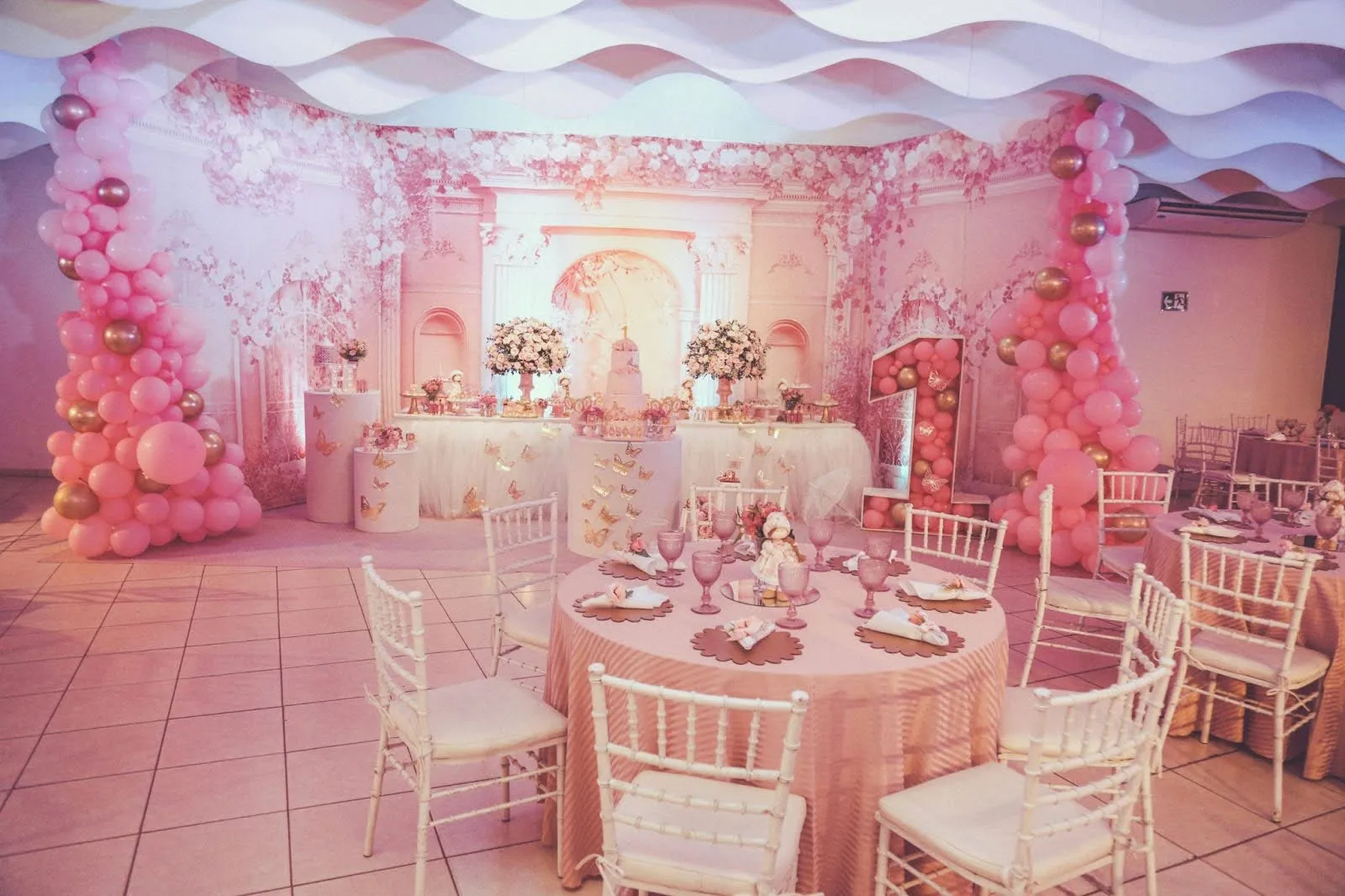
Choosing between latex balloons vs foil balloons often comes down to the specific needs of your celebration. In short, latex balloons are made from natural rubber, are biodegradable, and offer a classic look ideal for large arches, though they have a shorter float time. Foil balloons (often called Mylar) are synthetic, feature a shiny metallic finish, hold helium for days, and allow for complex shapes like numbers or characters.
At BearloonSG, we offer the fastest lead time and free customisation for both types. Plus, we are the only service providing free delivery for balloons in Singapore. Whether you need an organic garland or a personalised helium bouquet, we have you covered at competitive prices.
The Science of the Material: Rubber vs. Mylar
To understand the difference between these two party staples, you must look at the materials they are made from. The composition dictates everything from how long they float to how foil and latex balloons react to the Singapore heat.
What Are Latex Balloons Made Of?
Latex balloons are crafted from natural rubber sap collected from the Hevea Brasiliensis tree. This organic origin gives them their distinct texture. They are soft to the touch, highly elastic, and porous on a microscopic level. Because they are a natural product, they are 100% biodegradable. If you are looking for eco-friendly party supplies, latex is the superior choice. The material allows for significant stretching, which is why you can inflate them to various sizes, although over-inflating will cause them to form a pear shape and eventually burst.
What Are Foil Balloons Made Of?
Foil balloons are technically not made of foil alone. They are constructed from nylon sheets coated with a metallic material, usually aluminium. This combination is often referred to as Mylar. Unlike latex, this material is synthetic and non-biodegradable. The texture is smooth, lightweight, and completely non-stretchy. This lack of elasticity allows manufacturers to create intricate shapes, such as dinosaurs, hearts, or letters, which hold their form perfectly. While they do not break down in nature, they are durable enough to be reused for future events if handled correctly.
Float Time Comparison: How Long Will They Last?

One of the most common questions we receive regarding helium balloons Singapore is about longevity. Nothing is worse than waking up on the morning of a birthday to find your decorations on the floor.
Helium Retention in Latex Balloons
The main weakness of latex is its porosity. Under a microscope, the surface of a latex balloon looks like a sponge with tiny holes. Helium atoms are incredibly small and can slip through these gaps relatively easily. An untreated standard 11-inch latex balloon will generally float for about 8 to 12 hours.
However, we can extend this lifespan significantly using a treatment called Hi-Float. This is a liquid plastic solution injected into the balloon before inflation. It dries inside to form a coating that seals the pores, trapping the helium. With Hi-Float, long-lasting helium balloons made of latex can float for 24 hours or more, depending on environmental conditions.
Helium Retention in Foil Balloons
Foil balloons are non-porous. The metallic nylon material acts as an effective barrier against gas escape. Because the helium is trapped securely inside, a standard 18-inch foil balloon can float for 3 to 5 days. Larger shapes can sometimes stay afloat for weeks.
In the context of Singapore, this makes foil a safer bet for multi-day celebrations. If you keep them in an air-conditioned environment, such as an HDB flat or a hotel room, they remain perky for a long time. They are excellent if you want to set up the decoration the night before a surprise party without worrying about deflation.
Aesthetics and Visual Impact
The visual effect you want to achieve will dictate whether you choose latex balloons vs foil balloons. Each type brings a different energy and style to the venue.
The Versatility of Latex
Latex balloons are the workhorses of event styling. They are the best option for creating volume and filling space. If you see organic balloon garlands, massive arches, or a ceiling completely covered in floating colours, those are almost always latex.
They also offer incredible depth in colour and finish. You can choose from standard pastel matte, crystal clear, or metallic chrome finishes. Chrome latex balloons, for instance, offer a rich, solid shine that looks sophisticated. While you can print on latex, the design is usually limited to simple logos or generic text in one or two colours. They are perfect for building atmosphere and colour blocking a venue.
The Shine of Foil
Foil balloons are designed to be statement pieces. Their surface is reflective and mirror-like, which catches the light and makes them pop in photographs. This is why they are the standard for “Age” balloons (like a giant “21”) or themed character balloons for children.
When it comes to personalisation, foil is superior. At BearloonSG, we offer free customisation where we apply vinyl text directly onto the foil surface. Because the surface is flat and smooth, the text is sharp, legible, and can be quite intricate. If you want a specific message like “Happy Anniversary Sarah” to be the focal point of a bouquet, foil is the correct choice.
Performance in Singapore’s Weather (Heat and Humidity)

Singapore’s tropical climate is a major factor when planning outdoor balloon decor. High humidity and intense heat affect latex and foil differently.
Oxidation on Latex Balloons
Latex is organic, so it reacts to the elements. In Singapore’s high humidity, latex balloons undergo a process called oxidation. Oxygen and moisture attack the rubber, causing the balloon to lose its shine and develop a velvety, matte, or cloudy appearance.
This can happen within just a few hours if the balloons are placed outdoors. While the balloon will still float, it won’t look as shiny as it did when it was first inflated. If you are planning an outdoor garden party, we generally recommend keeping latex balloons indoors until just before the event starts, or using a special balloon shine spray to retard the oxidation process.
Heat Expansion Risks
The physics of helium plays a massive role here. Helium expands when it gets hot and contracts when it gets cold. Since Singapore is perpetually hot, this is a constant consideration.
Latex balloons have an advantage here because they stretch. If the helium expands in the heat, the rubber expands with it. They are less likely to pop immediately from heat expansion, though the heat will speed up the oxidation process.
Foil balloons, however, do not stretch. If you take a fully inflated foil balloon from a cool air-conditioned shop into the midday sun, the gas inside will expand rapidly. Because the seams cannot stretch, the balloon may burst. If you are holding an outdoor event during the day, we recommend asking your balloon provider to slightly under-inflate the foil balloons. This leaves room for the gas to expand without rupturing the seams.
Durability and Pop-Resistance

Durability isn’t just about float time; it is also about how easily the balloon breaks when it encounters physical stress during balloon delivery Singapore or at the party itself.
Vulnerability of Latex
Latex is fragile. Sharp objects, rough walls, and even stiff blades of grass are enemies of latex balloons. If you are decorating an outdoor space, you must ensure the area is clear of sharp debris.
Another hidden enemy is static electricity. As latex rubs against surfaces, it builds up static charge, which attracts dust particles. If a sharp particle hits the balloon with enough force, it can cause a pop. This is why professional decorators are very careful when transporting latex bouquets.
Resilience of Foil
Foil balloons have a tougher skin. The nylon material is much harder to puncture than rubber. They can withstand a bit more rough handling, making them a good choice for events with many active children.
However, they are not invincible. The weak points of a foil balloon are the seams. While the surface is tough, a strong squeeze or heavy pressure can cause the seams to split. Once the seam is compromised, the balloon is finished. But generally, for a rowdy birthday party decorations setup, foil offers better resistance to accidental pops.
Environmental Impact and Sustainability
Modern parents are increasingly conscious of their environmental footprint. Understanding the ecological difference between latex balloons vs foil balloons is important.
Are Latex Balloons Eco-Friendly?
High-quality latex balloons are a natural product. Since they are made from the sap of rubber trees, they biodegrade at roughly the same rate as an oak leaf. This makes them a more responsible choice for short-term events.
However, “biodegradable” does not mean they should be released into the air. When a balloon is released, it eventually bursts and falls back to earth as litter, which can be harmful to wildlife. The responsible way to dispose of latex balloons is to pop them, cut them into small pieces, and place them in the bin.
The Reusability of Foil Balloons
Foil balloons are synthetic and will not biodegrade. They contribute to single-use plastic waste if thrown away immediately. However, their advantage lies in reusability.
Foil balloons have a self-sealing valve. You can insert a long straw gently into the valve to release the helium and flatten the balloon. You can then fold it up and store it. For the next party, you can take it to a balloon shop to be refilled. If you are looking for value over a long period and want to minimise waste through reuse, foil is a valid option.
Cost Comparison: Which Offers Better Value?

When planning a budget, knowing the price difference between latex balloons vs foil balloons cost helps in decision making.
Price Per Unit
Latex balloons are significantly cheaper per unit. This makes them the ideal choice for bulk decorating. If you want to fill a room, create a massive arch, or have loose balloons covering the floor, latex is the only cost-effective way to do it. You can get a large volume of colour and decoration for a relatively low price.
Foil balloons are more expensive per unit. The manufacturing process is more complex, and the materials cost more. You typically buy foil balloons as individual units or as the centrepiece of a bouquet, rather than in bulk hundreds.
Value for Money
Value depends on your objective. If you need a decoration that lasts for a week, perhaps to welcome a new baby home, a foil balloon offers better value because it stays afloat for days. You get to enjoy the product for a longer duration.
Conversely, if you are hosting a four-hour wedding reception, paying extra for foil balloons that last a week might be unnecessary. In this case, latex provides more visual volume and impact for the same budget, making it the better value for single-day events.
Which One Should You Choose for Your Event?
The choice ultimately depends on the occasion. Here is how we usually advise our clients based on different event types.
Children’s Birthday Parties
For kids, we recommend a mix. Use a large foil number to indicate their age and a foil character balloon (like a superhero or princess) as the main attraction. Then, surround these foil balloons with bunches of colourful latex balloons. This gives you the volume and festivity of latex with the specific theme elements of foil. They are also worthy of being considered among the birthday gifts you will give your children.
Corporate Events and Grand Openings
For these events, branding and size matter. We recommend large latex balloon arches in corporate colours to frame the entrance. These attract attention from a distance. Then, use customised foil balloons with the company logo for photo opportunities or as gifts for VIP guests. The sharp printing on foil looks more professional for branding.
Romantic Gestures and Proposals
For proposals, aesthetics are key. A popular trend is the “ceiling fill,” where hundreds of latex balloons float on the ceiling with ribbons hanging down. This creates a magical, immersive environment. Pair this with a few high-quality foil heart balloons or a “Will You Marry Me” customised foil balloon to deliver the message clearly.
Conclusion On Latex Balloons vs Foil Balloons
To summarise, the choice between latex balloons vs foil balloons depends on your priorities regarding longevity, aesthetics, and budget.
Latex balloons are biodegradable, cost-effective, and excellent for creating large-scale organic decor like arches and garlands, though they have a shorter float time and are sensitive to heat. Foil balloons offer superior float times, lasting for days, and feature a shiny, mirror-like finish that is perfect for custom messages and detailed shapes.
For the best results in Singapore’s climate, a combination often works best. Use latex for volume and foil for the highlights.
At BearloonSG, we believe that every celebration deserves a touch of wonder, a spark of joy, and a heartfelt surprise. We are more than just a gift shop – we are storytellers of celebration, crafting moments that stay with you long after the balloons have floated away.
Still have questions? Feel free to contact us. We’re happy to help. Whether you need a long-lasting foil bouquet for a week-long celebration or a massive latex arch for a one-day event, our team can guide you to the perfect choice.
Frequently Asked Questions About Balloon Types
How Long Do Helium Latex Balloons Last?
Standard helium latex balloons typically float for 8 to 12 hours. However, with Hi-Float treatment, which we use at BearloonSG, the float time can be extended to 24 hours or longer, depending on the temperature and humidity.
Are Foil Balloons Better Than Latex For Outdoors?
It depends on the duration. Foil balloons are more durable and do not oxidize (turn cloudy) like latex balloons do in humidity. However, foil balloons can burst if the heat causes the helium to expand too much. For outdoor events, we recommend under-inflated foil balloons or treated latex balloons kept in the shade.
Can You Recycle Foil Balloons In Singapore?
Foil balloons are not recyclable in standard recycling bins because they are made of metallised nylon. However, they are reusable. You can deflate them using a straw and save them for future parties. Latex balloons are biodegradable and should be disposed of in the general waste bin.
Why Do My Latex Balloons Look Cloudy?
This is called oxidation. It is a natural reaction where the rubber degrades upon exposure to oxygen and UV light. Singapore’s high humidity accelerates this process, giving latex balloons a matte or velvety finish within a few hours outdoors.
Which Balloon Is Safer For Young Children?
Foil balloons are generally tougher and harder to pop, making them safer around active children. Latex balloons, when popped, break into small pieces which can be a choking hazard for toddlers. Always supervise young children with balloons.
Can I Mix Latex And Foil Balloons In A Bouquet?
Yes, absolutely! Mixing them is a popular styling choice. It allows you to combine the longevity and detailed shapes of foil balloons with the soft textures and volume of latex balloons. This creates a balanced and visually interesting arrangement.